

Why Choose Us
Huzhou shuanglin hengxing polishing equipment factory established in 1980s is one of the well-know manufacture of surface finishing industry in china.
Products Sell Well
Our products sell in China and abroad, such as America, Russia ,Italy, Germany, ,Brazil etc, all over the world.
Fast Production
We have production site which cover an area of 5000 M2 and outputs over 30000 ton of grinding media, over 1500 sets of finishing machines, over 2000 ton of polishing compound and over 1000 ton of ceramic bead annually.
Rich Experience
Our company was founded in the 1980s and has more than 40 years of production experience.
Quick Response
Our commitment is to respond to your inquiries within 24 hours, ensuring that you receive the information and support you require in a timely manner.


What is Barrel Polishing Machine
A fluidized barrel polishing machine uses a rotary disk attached to the bottom of the barrel tank that rotates. The workpiece, polishing stone, and compound flow and rub against each other to polish. If you want to know the specifications and prices of Barrel Polishing Machine, please contact us!
Advantages of Barrel Polishing Machine
Consistency
Consistency is a key aim in mass production, but metal parts don't always come off the line looking entirely uniform. It is not only a matter of appearance, but function, as sharp edges and other deficiencies can impact the performance of the part.
The barrel tumbling process is an efficient way to smooth imperfections that stand in the way of a consistent batch. Mass metal finishing delivers far more consistent results than polishing by hand.
If you and your purchasers demand perfection of your parts, barrel tumbling is the way to go.
Speed
Need a fast finish? Barrel tumbling can keep pace with even the leanest production schedules. In fact, Latem processes millions of parts through our vibratory and tumbling departments each week.
Depending on the part in question, a complete barrel tumbling cycle can take between just six and 24 hours, and the consistency of this technique means you won't have to watch the clock.
Versatility
Another benefit of barrel tumbling is the equipment's versatility. We can calibrate barrel tumbling machines to achieve many different results, from mirror-finishes to edge breaking to rust and oil removal. The choice of finishing media, additives (like cleaners and rust inhibitors) can also be used to fine-tune the end product.
We use dozens of barrel tumbling machines here at Latem, and each is set up to attain a different finish.
Mass Finishing
Our barrel tumbling equipment is designed to process a massive volume of parts as efficiently as possible. The technique allows one to process dozens of orders at once with little handling required. Using barrel tumbling, even a modestly-sized team can finish swaths of parts in a short time.
Toughness
Barrel tumbling is tough. The technique is considerably more aggressive than vibratory finishing, making it ideal for those smaller, harder metal pieces that need serious work. It is possible to vary the impact of the process by adjusting the equipment and finishing media, but on the whole, barrel tumbling is suited to tougher mass metal finishing jobs.
There are other things to consider when choosing between vibratory finishing and barrel tumbling, of course. The weight and geometry of the part, as well as its present condition and the desired finish, are also factors. As experts in both techniques, the Latem Industries team can advise you on which metal finishing method will best meet your demands.
Types of Barrel Polishing Machine
Fluidized Barrel Polishing Machine
A fluidized barrel polishing machine uses a rotary disk attached to the bottom of the barrel tank that rotates. The workpiece, polishing stone, and compound flow and rub against each other to polish. Barrel capacity ranges from 10 liters to 300 liters. The polishing power of this system is classified as medium.
Barrel polishing machines require a lot of time and effort to sort the workpiece and polishing stone, but each manufacturer has come up with various improvements of their own. These improvements range from types that automate everything from product loading to polishing, discharge, sorting, and even final collection.
This polishing machine is suitable for mass production and making low-cost products because it can significantly shorten the overall processing time.
Rotary Barrel Polishing Machine
A rotary barrel polisher works by rotating a polygonal barrel container and rubbing the polishing stone against the workpiece for polishing. With a polishing power ranging from low to medium, this type of barrel polishing machine is well-suited for medium to light deburring and achieving smooth finishes.
The rotary barrel polishing machine boasts a simple structure compared to other barrel polishing machines. Combined with its high versatility, it excels in handling a wide range of workpieces, including metal, plastic, ceramics, precious stones, and glass.
It also offers a very noticeable cost advantage, being easily installable at a low cost. With minimal maintenance requirements and low ongoing costs, it provides peace of mind regarding expenses post-installation.
Centrifugal Barrel Polishing Machine
Centrifugal barrel polishing machines are used on many sites. This is a polishing method that uses high pressure and high-speed flow to polish a barrel container by combining rotation and revolution.
It has stronger polishing power than rotary or vibrating barrel polishers, and can perform everything from heavy cutting to precision finishing in a short time.
This means that it is suitable for workpieces with high quality requirements.
Vibrating Barrel Polishing Machine
A vibrating barrel polishing machine is a method of polishing by applying three-dimensional vibration to a barrel tank. It is used for polishing metal, plastic, ceramic, and glass products, and is suitable for deburring and smoothing small to large parts.
The polishing power is medium, but the motor vibration can be adjusted, so polishing conditions can be easily changed. Depending on the conditions, it is resistant to scratches and dents and can be used on a variety of workpieces. Furthermore, since the heat it generates is minimal, it can be used for workpieces that are sensitive to heat.
The high workability is also noteworthy. The unsealed barrel bath allows you to check the finish of the workpiece during polishing.
Heavy Pressure Barrel Polishing Machine
A heavy-pressure barrel polishing machine is a polishing machine that applies pressure to a barrel tank and rotates it to polish the workpiece at high speed. It has high polishing power even at low speeds, and has the feature of significantly shortening processing time.
High pressure increases the contact area between the polishing stone and the workpiece. Polishing time can sometimes be cut in half compared to a regular rotary barrel polisher due to the enhanced polishing effect. It also ensures uniform wear of the polishing stone and improves the accuracy of the surface finish of the workpiece.
Magnetic Barrel Polishing Machine
The magnet rotates with the rotary disk, and the magnetic abrasive grains inside the container move violently and polish. In addition to rotational motion, the abrasive grains move in a complex manner using magnetic force, so even complex workpieces can be polished uniformly. It is often used for deburring metal parts and adding shine.
Polishing of abrasive grains using magnetic force is combined with normal polishing techniques. The advantage is that even complex workpieces can be polished easily. Deburring, polishing, and cleaning can be done quickly and efficiently. This polishing machine is popular in many industries because of its convenience.
Differences between Vibratory Machine and Barrel Tumbling
What is Vibratory Finishing and Barrel Finishing
Vibratory finishing involves placing parts, media, and compounds into a vibratory tub or bowl. This machinery then applies force to the parts, an action that leads to the media and the parts to rub and grind against each other, the effect of which is to deburr or polish the parts.
This type of finishing also is widely used for mass finishing applications such as cleaning, descaling, polishing, and surface preparation. The results of this type of deburring cannot be achieved with manual labor, which is why vibratory equipment configurations such as batch tubs, round bowls, or through-feed machines are selected by high-volume manufacturers.
Barrel or tumble finishing involves placing parts, abrasive media, and the compounds in a barrel with water. The rotation of the barrel leads to the tumbling of the media mass and parts. This causes friction, which results in the abrading of the parts in the mass, and the quick and efficient deburring of the part's surfaces.
Typically, deburring barrels come in the form of batch-type processing machines. However, in-line batch processing and single-pass processing equipment also can be found.
Media Preferences
In a vibratory finishing system it is common to use ceramic or preformed plastic media. Ceramic media has a higher density and can be used effectively to polish and/or grind hard metals, such as stainless steel. This option also includes porcelain, made from pure aluminum oxide, making it suitable for finer grinding and achieving a high-gloss finish.
Plastic media typically comes with a polyester base, but it also may be formaldehyde- or urea-based. This is the media typically used for softer metals, such as zinc and brass. Ceramic and plastic media generally are combined with abrasives such as silica, aluminum oxide, and zirconium at the time of finishing.
Plastic pellets can be used for cushioning in barrel tumblers only. They're not suitable for use in vibratory tumblers: They spread around the barrel to absorb impact between the rocks in the tumbler. In turn, this helps reduce chipping and bruising of stones such as quartz and obsidian. Plastic pellets can be reused several times in the same-size grit.
Cutting Action
The vibratory tumbler tends to move at a very high speed while the barrel tumbler grinds at an applied force, which is typically higher. The cutting action in the barrel tumbler is limited to the slide area (around 25% of the total load). In the vibratory tumbler, however, the entire load is cut with each pulse (around 1,800 times a minute).
In a vibratory finishing systems, the parts being processed will move to a very small extent in relation to each other. In the barrel finishing system, the parts move all over the barrel, which can lead to the formation of a bigger radii in the barrel tumbler, but smaller compared to a vibratory tumbler. Parts in barrel tumbling can form a one-eight radius while removing little material from the flat sections.
The vibratory tumbler will handle large chunky media to produce a considerable radius, but it will remove a sufficient amount of material from the flat sections, thanks to its scrubbing action.
Toughness
Barrel tumbling action is more aggressive than that of vibratory finishing, which is why this method is ideal for finishing smaller and harder metal pieces that need serious finishing treatment. The effects of the process can be adjusted according to the equipment and finishing media being used. However, barrel tumbling is best suited for tougher mass metal finishing tasks.
Shakeout Systems
Vibratory drums are ideal for no-bake, brass, and other foundry applications that necessitate the decrease or removal of damage to casting surfaces. Some benefits of the non-rotating and enclosed design are better dust collection and air system attachments, the option to add peripheral add-ons (such as water addition), and for connecting support equipment to the drum.
Rotary drums can offer an economical approach to processing castings in all types of foundries. However, the lifting and dropping of castings may damage the products and escalate scrap rates. Rotary drums are frequently found in ductile-iron foundries, where they help to restrict the extent of manual labor needed to de-gate castings and decrease the problem of entangled castings and sprue.
Cost
Vibratory systems and equipment are significantly more expensive due to the significant space requirements. Barrel tumbling systems, on the other hand, cost less but they will take longer to complete the same job. This is because they wear out tumbling media at a much slower pace compared to vibratory systems.
Both vibratory and barrel finishing systems come with their own benefits and limitations. It is best to know which aspects of each one works best for an optimal and efficient finishing job in a specific application. The above distinctions should help foundries and diecasters to understand better these systems and how they are used.
Application of Barrel Polishing Machine
The customers of medical devices expect consistent, high-quality finishes on metal parts, mostly with complex geometry. Centrifugal barrel tumbling machines deliver fast performance for polishing. They also deliver fast performance for the deburring of titanium, cobalt-chrome, and stainless steel implants and surgical parts. Centrifugal barrel tumbling machines are also used for polishing dental implants and dental tools.
Metal smoothness is often a crucial requirement for the high performance of aerospace parts. The deburring of aerospace equipment by hand is not cost-effective. Therefore, manufacturers utilize centrifugal barrel tumbling machines for this task. Many parts benefit from the process of centrifugal barrel tumbling including turbine blades and jet engines.
The automotive industry is another type of business that benefits from centrifugal barrel tumbling machines for smoothing metal parts surfaces. In particular, the automotive industry employs centrifugal barrel parts tumblers for polishing engine heads, fasteners, and gears.
At these shops, centrifugal barrel tumbling machines deliver fast, cost-effective performance for polishing as well as deburring metal parts.
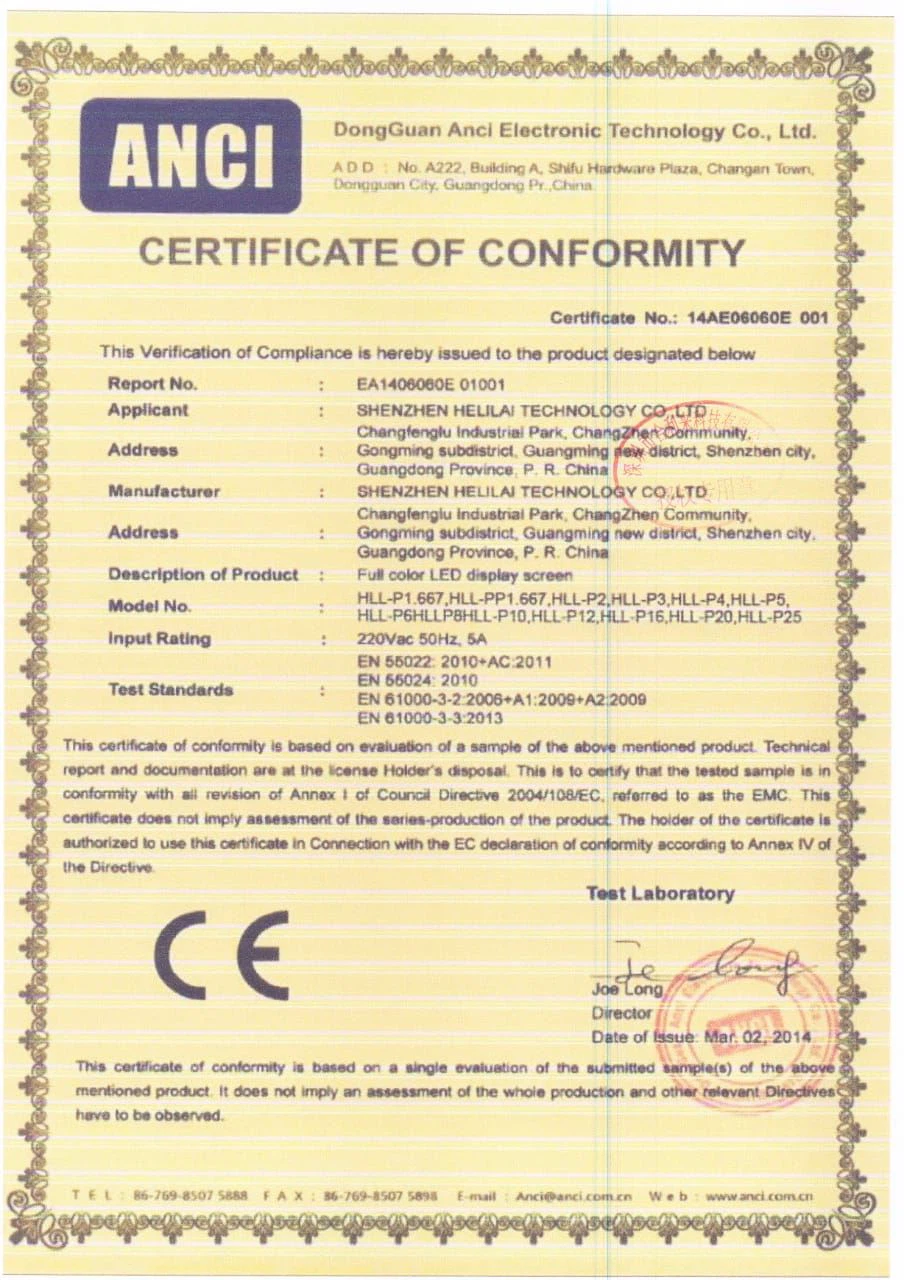
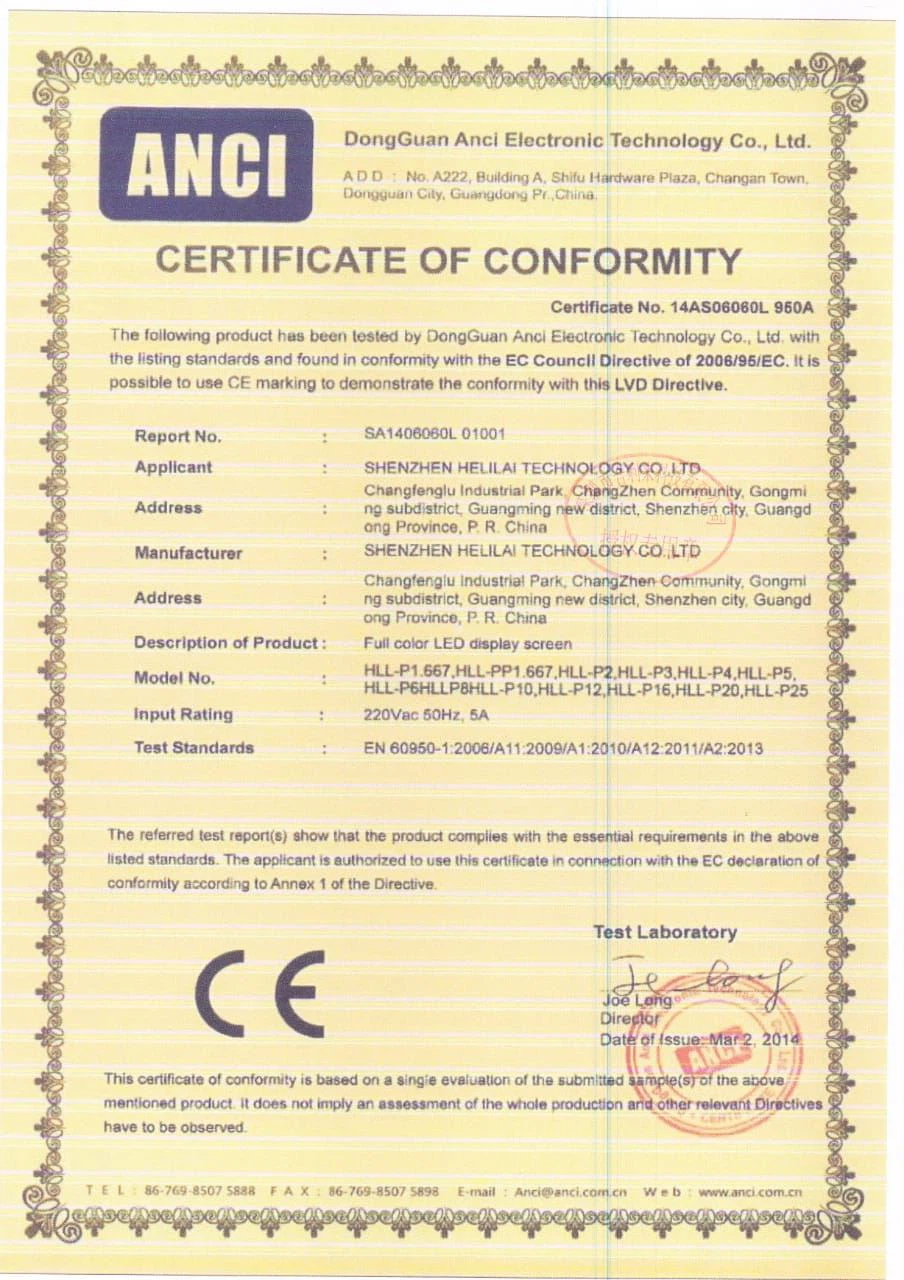
Certifications


Frequently Asked Questions
We're well-known as one of the leading barrel polishing machine manufacturers and suppliers in China. Please feel free to wholesale high quality barrel polishing machine at low price from our factory. Contact us for more cheap products.
Dry Polishing Machine, ceramic ball deburring, Barrel tumble Machine