

Why Choose Us
Huzhou shuanglin hengxing polishing equipment factory established in 1980s is one of the well-know manufacture of surface finishing industry in china.
Products Sell Well
Our products sell in China and abroad, such as America, Russia ,Italy, Germany, ,Brazil etc, all over the world.
Fast Production
We have production site which cover an area of 5000 M2 and outputs over 30000 ton of grinding media, over 1500 sets of finishing machines, over 2000 ton of polishing compound and over 1000 ton of ceramic bead annually.
Rich Experience
Our company was founded in the 1980s and has more than 40 years of production experience.
Quick Response
Our commitment is to respond to your inquiries within 24 hours, ensuring that you receive the information and support you require in a timely manner.


What is Magnetic Polishing Machine
A magnetic tumbler polisher machine is a mass-finishing device that uses the principle of magnetic action to polish objects. Other names for this device are magnetic polishing tumbler, magnetic polisher machine, and magnetic polishing machine. If you want to know the specifications and prices of Magnetic Polishing Machine, please contact us!
Advantages of Magnetic Polishing Machine
Fast, Efficient and Effective Polishing Method
One of the main advantages of magnetic deburring and polishing is its efficiency.
Traditional deburring and polishing methods can be time-consuming and require a significant amount of manual labor. Magnetic deburring and polishing, on the other hand, uses magnetic forces to remove burrs and polish surfaces, which can be done quickly and with less manual labor.
This makes it ideal for high-volume production environments, where speed and efficiency are crucial.
Precision Finishing
Another advantage of magnetic deburring and polishing is its precision. Traditional deburring and polishing methods can be imprecise, resulting in uneven or rough surfaces. Magnetic deburring and polishing, however, uses magnetic forces to precisely remove burrs and polish surfaces, resulting in a smooth and even finish.
Low Maintenance
Magnetic deburring and polishing is also relatively low maintenance. Magnetic deburring machines have fewer moving parts than other types of deburring machines, which means that they require less maintenance and have a longer lifespan. Additionally, they are often made with high-quality materials, which makes them more durable and resistant to wear and tear.
Easy to use
Magnetic deburring and polishing is also relatively easy to use. The process is automated, which means that there is less manual labor involved. Additionally, magnetic deburring machines can be easily integrated into existing production lines, making it easy to implement in any manufacturing facility. They take up surprisingly small amount space – about the size of a washing machine!
Environmentally Friendly
Magnetic deburring and polishing is also relatively environmentally friendly. Traditional deburring and polishing methods often use chemicals and abrasives that can be harmful to the environment. Magnetic deburring and polishing, however, uses very few chemicals and abrasives, making it an environmentally friendly alternative.
Types of Polishing Machines
One of the most common types is disc finishers, buffers, and centerless finishers. Disc polishing machines and buffing machines are grinding wheel face grinders that improve the brightness of surface metals. Buffing machines use buffing or non-woven abrasive pads loaded with polishing compounds to finish the parts.
Centerless finishing machines are used for grinding or finishing, and their applications include processing rods, rollers, rolls, valve systems, and other symmetric shapes. They are commonly used in high-volume applications such as plunge grinding and through-feed. Centreless machines can polish round materials of different lengths and dimensions, providing a glossy finish.
Cylindrical/outer diameter polishers are used to polish small spaces such as valve systems, cams, rolls, and shafts. These polishing machines can polish surfaces that a centerless finishing machine cannot reach.
Honing machines are employed to adjust hole alignment and produce the appropriate surface for the application. They work with abrasive stones or sticks mounted within a fixture. When applied to the surface, this fixture rotates and applies pressure.
Lapping, polishing and buffing machines can be used to create flat and smooth surfaces. Because of the high precision and control of material removal during the polishing process, these machines produce high-quality finishes. They use abrasives in a carrier fluid to process between large lap plates, and lapping removes less material than grinding and polishing.
Orbital polishers use an orbital motion to produce a smooth finish on a metal surface. They are commonly used to polish automobile parts.
Polishing lathes are specialized polishers that help achieve a fine or smooth surface finish. They are useful in finishing metallic surfaces or equipment that require high precision.
Super-finishing polishers are used to reduce the roughness of the surface and improve the surface finish of metallic equipment.
Oscillatory polishers use a vibrating motion during polishing or finishing.
Components Of Polishing Machine
Motor
The motor is the core component of the polishing machine, providing mechanical power to drive the operation of the entire polishing machine. Usually, high-power, high-speed motors are used to provide sufficient torque and speed to ensure the efficiency and quality of polishing work.
Main Body
The main frame is the supporting structure of the polishing machine, carrying and fixing other components. Usually made of solid metal materials with a stable structure to ensure the smoothness and safety of the polishing machine during operation.
Polishing Disc
The polishing disc is a replaceable tool on the polishing machine, used to install polishing pads or abrasive sheets. Usually made of metal or composite materials, it has certain wear resistance and corrosion resistance and can withstand the pressure during high-speed rotation and polishing.
Polishing Pad
The polishing pad is a component installed on the polishing disc and is used to polish the surface of the material. Polishing pads are usually made of soft and wear-resistant materials, such as sponges, flannel, etc., which can provide appropriate pressure and friction to achieve different polishing effects.
Control Panel
The control panel is the operating interface of the polishing machine and is used to adjust the speed, time and other parameters of the polishing machine. It usually includes elements such as buttons, knobs, and displays, allowing users to easily control and monitor the polishing process.
Supply System
The supply system is used to provide lubricant or coolant to the polishing area to reduce friction and heat during polishing and ensure the smoothness of the polished surface. The liquid supply system usually includes water tanks, nozzles, pipes and other components.
Waste Disposal System
The waste disposal system is used to clean and collect waste and residues generated during the polishing process. It usually includes components such as vacuum cleaners and sewage pipes to ensure that the working environment is clean and tidy.
Factors to Consider When Buying Metal Polishing Machines
Cost
One aspect that cannot be overlooked is the price. Vibratory polishing, for example, is more expensive than other polishing techniques. However, they make up for it by offering a faster cycle than the cheaper options.
The pricey metal polishing machines have several benefits. For instance, almost all expensive polishers are well-ventilated because they are equipped with blowers that remove dust generated during the metalworking process.
The cheaper polishers are not equipped with blowers, leaving dust in the work area. Furthermore, high-end polishing machines are more compact, have enormous torque, and operate at high cycle rates.
Production Speed
Evaluating the production speed and time before deciding on a model is critical. Most polishing machines have speeds ranging from 400 to 1100 RPM, while automatic machines can provide speeds up to 2500 RPM. Knowing the entire metal finishing process, how it works, and what the final product looks like will help users choose the best polishing technique.
Properties of Metals
There are many factors involved in polishing, and thus one needs to consider all of them before deciding on a suitable option. One factor that cannot be ignored is the condition of the metal; Hard metals require a more intensive finish or tougher abrasive finishing, whereas softer metals require less intense polishing. Abrasives will be required if metals such as stainless steel and iron are in poor condition.
Surface Quality
A good polishing machine should remove contamination, corrosion, oxidation, and blemishes from the surface to enhance its appearance. Thus, ensure that the metal polishing machines are equipped with cutting-edge technologies capable of detecting grain differences in various alloys and making the necessary adjustments to provide a smooth and clean finish.
It is critical to consider surface quality, which is measured in terms of average surface roughness (Ra). Ra denotes the profile's average deviation from the ideal surface. The standard surface roughness is 3.2 μm (125 μin).
To Sum Up
As previously stated, metal polishing machines have a wide range of applications in a variety of industries. Some machines are for household use, while others are for heavy-duty work. Before purchasing a metal polishing machine for home or industrial use, one must determine their polishing requirements. Visit Alibaba.com to view the latest metal polishing machines.
Main Maintenance Methods of Polishing Machine
Regular cleaning is an important step in maintaining your polisher. Use a soft cloth or paper towel to wipe the polisher housing and surface to remove dust, stains, and residue. Avoid using wet cloth or water to come into contact with the motor or control parts to prevent circuit short circuit or malfunction.
Depending on the frequency of use and degree of wear, it is necessary to regularly replace the grinding disc and bristles of the polishing machine. Using worn discs or bristles may result in less effective sanding or damage to the floor surface. Follow manufacturer's recommendations for appropriate replacement parts.
Regularly check whether the power cord and plug of the polishing machine are intact. If they are worn or damaged, they should be replaced in time. Make sure the power cord has no exposed wires or damaged insulation to avoid the risk of electric shock.
When using the polishing machine, keep the machine body balanced and stable. Avoid applying excessive pressure or tilting the polisher to avoid damage to the body or uneven polishing results. Keep a firm grip on the handle or handle of the polisher during operation to ensure control and smooth movement.
The working environment of the polishing machine also needs to be paid attention to. Make sure the area where the polisher is used is well ventilated to prevent dust and debris from entering the interior of the polisher to prevent malfunction or affect the polishing effect. Take extra care when using the polisher in a humid environment to avoid water droplets getting into the motor or control parts.
In addition to daily cleaning and maintenance, regular comprehensive maintenance inspections are also necessary. According to the manufacturer's recommendations, regularly inspect the internal structure of the polishing machine and clean or replace wearable parts such as pulleys, bearings and transmission belts. Maintenance inspections can detect problems in time and take corresponding repair measures to avoid greater failure and damage.
Last but not least, always follow the instructions and safety guidelines for your polisher. Do not overload the polisher and avoid overheating caused by long-term continuous use. Be sure to understand the function and use of each control button before operation, and follow all safe operating procedures.
Begin with a thorough visual inspection of the machine. Look for signs of wear and tear, damage, or loose components. Pay close attention to the following areas:
Belts and Drive Components: Check for fraying, cracking, or any signs of deterioration. Ensure belts are properly tensioned.
Wheels and Pads: Inspect polishing wheels and pads for excessive wear, contamination, or damage.
Cords and Connections: Ensure power cords and connections are intact and free from cuts or abrasions.
Regular cleaning is vital to maintain the efficiency of the polishing machine. Dust, debris, and residue can accumulate and affect performance.
Exterior Cleaning: Wipe down the machine's exterior with a clean, dry cloth to remove dust and debris.
Air Vents and Filters: Clean air vents and filters to prevent overheating and ensure proper ventilation. Use compressed air to blow out any accumulated dust.
Proper lubrication of moving parts reduces friction, wear, and tear, ensuring smooth operation.
Bearings and Joints: Apply the recommended lubricant to bearings, joints, and other moving parts. Follow the manufacturer's guidelines for the type and amount of lubricant.
Lubrication Points: Refer to the machine's manual to identify all lubrication points and ensure they are adequately maintained.
Electrical components play a crucial role in the operation of polishing machines. Regular checks can prevent electrical failures.
Power Supply: Ensure the power supply is stable and within the recommended voltage range.
Switches and Controls: Test all switches, buttons, and control panels for proper functionality.
Grounding: Verify that the machine is correctly grounded to prevent electrical shocks.
The quality of the polishing media directly impacts the machine's performance and the finish of the workpiece.
Polishing Wheels and Pads: Check for wear and replace if necessary. Ensure they are correctly mounted and balanced.
Abrasives and Compounds: Monitor the condition of abrasives and polishing compounds. Replace or replenish as required.
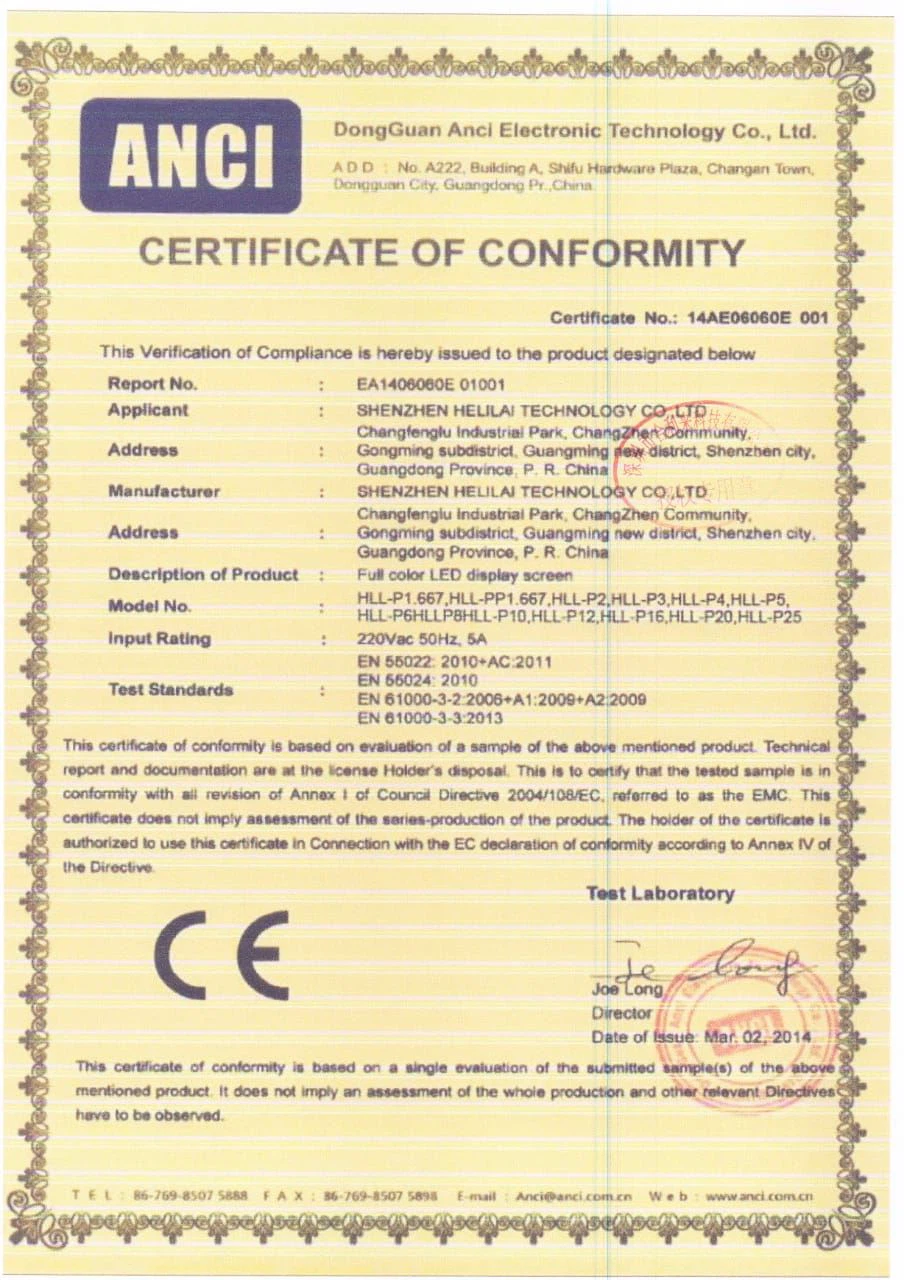
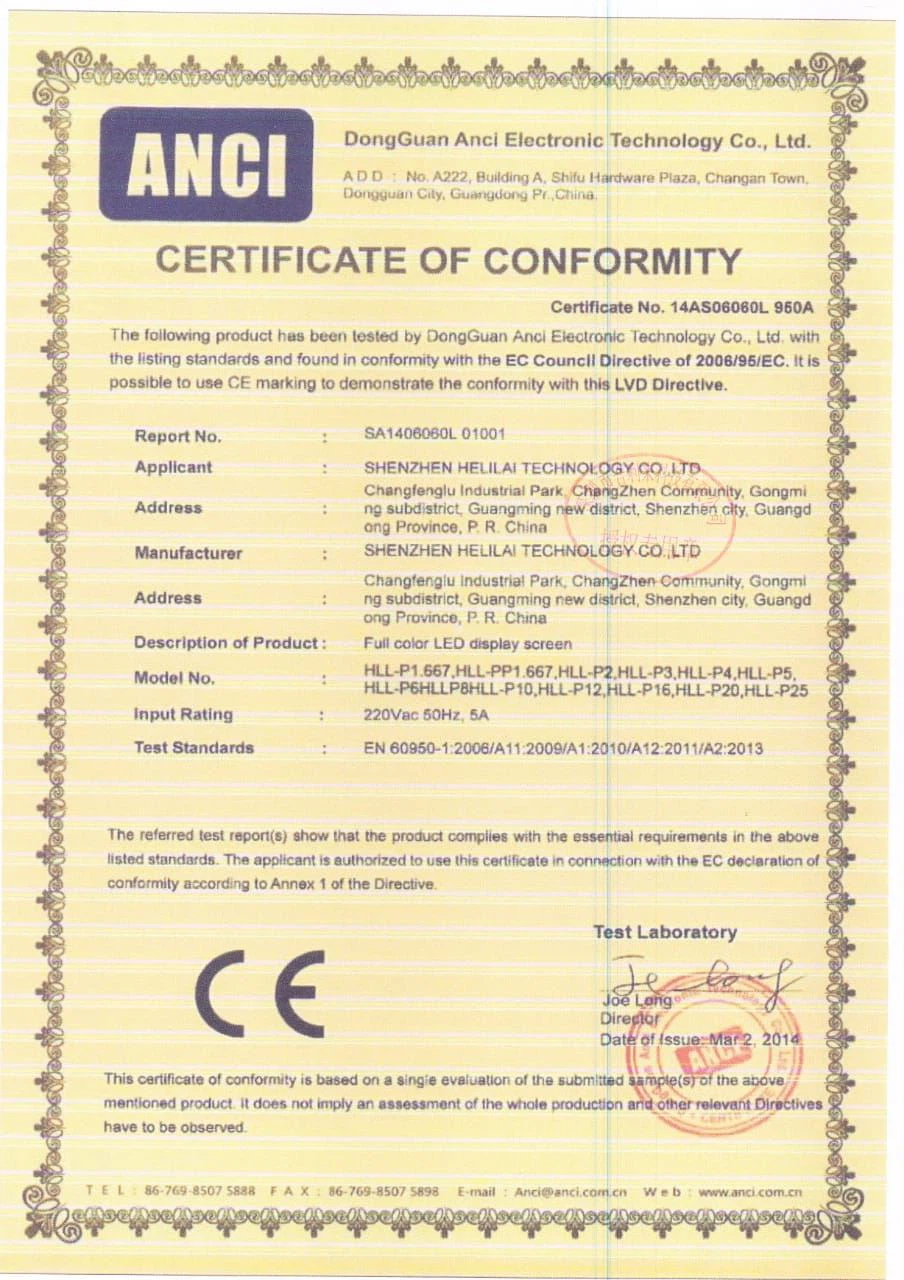
Certifications


Frequently Asked Questions
We're well-known as one of the leading magnetic polishing machine manufacturers and suppliers in China. Please feel free to wholesale high quality magnetic polishing machine at low price from our factory. Contact us for more cheap products.
barrel grinding machine, Magnetic finishing Machine, Magnetic deburring Machine