

Why Choose Us
Huzhou shuanglin hengxing polishing equipment factory established in 1980s is one of the well-know manufacture of surface finishing industry in china.
Products Sell Well
Our products sell in China and abroad, such as America, Russia ,Italy, Germany, ,Brazil etc, all over the world.
Fast Production
We have production site which cover an area of 5000 M2 and outputs over 30000 ton of grinding media, over 1500 sets of finishing machines, over 2000 ton of polishing compound and over 1000 ton of ceramic bead annually.
Rich Experience
Our company was founded in the 1980s and has more than 40 years of production experience.
Quick Response
Our commitment is to respond to your inquiries within 24 hours, ensuring that you receive the information and support you require in a timely manner.


What is Special Polishing Media
Polishing media is categorized as a non-abrasive media used for tumbling. It acts in brightening surfaces of parts without removing any material from parts. It has a low attrition and cutting rate. The longer parts are tumbled, the brighter surface results parts will achieve. If you want to know the specifications and prices of Polishing Media, please contact us!
Advantages of Polishing Media
High Wear Resistance
One of the key advantages of ceramic zirconia beads is their high wear resistance. This means that they are much more durable and long-lasting than traditional grinding media. The high wear resistance of zirconia beads is due to their high hardness, which makes them resistant to abrasion and wear even in the most challenging grinding environments.
High Density
Ceramic zirconia beads also have a higher density compared to traditional grinding media, which means that they can generate more energy during the grinding process. This increased energy can lead to faster and more efficient grinding, resulting in a higher throughput and lower operating costs.


Chemical Inertness
Another advantage of ceramic zirconia beads is their chemical inertness. This means that they are not affected by most chemical reactions and do not react with the materials being ground. This is particularly important in applications where contamination from the grinding media can cause problems or affect the quality of the final product.
Uniform Size and Shape
Ceramic zirconia beads are also available in a wide range of sizes and shapes, which allows them to be tailored to specific grinding applications. The uniform size and shape of these beads also mean that they provide a consistent grinding performance, which is essential for achieving a high-quality final product.
Types of Metal Finishes for Polishing
Mirrored Finish
A mirrored finish is achieved through fine and extensive polishing that leaves the metal surface highly reflective and smooth. This type of finish is often sought in decorative applications where aesthetic appeal is essential, such as in high-end automotive detailing, luxury kitchenware, or architectural features.
Brushed Finish
Characterized by its fine lines and matte appearance, the brushed finish is achieved by using a wire brush or a similar abrasive tool that scratches the metal in a uniform pattern. This finish is less reflective than a mirrored finish and is often used for household appliances, electronics, and automotive interiors due to its resistance to showing fingerprints and minor imperfections.
Satin Finish
Satin finishes offer a softer sheen than mirrored finishes and are produced through mechanical or chemical polishing that does not completely eliminate the tiny grooves on the metal's surface. This finish is commonly used in the fabrication of medical devices and kitchen utensils where both cleanliness and moderate aesthetic appeal are important.
Antique Finish
Antique finishes are designed to give a piece a weathered or aged look, often highlighting textural details and adding depth to decorative items. This finish can be achieved through various techniques, including applying a patina solution followed by selective polishing to reveal highlights. It's popular in jewelry making, furniture, and architectural hardware.
Grain Finish
Grain finishes involve polishing the metal in one direction to create a uniform, linear texture. This finish is often applied to large flat surfaces like sheets and panels used in building construction, elevator doors, and interior architectural design. Mechanical polishing with coarse to medium abrasives can achieve this effect.
How to Use Polishing Media
Sanding
The process of rubbing a surface with abrasive material, such as sandpaper, is a common method of surface finishing. Coarse grit removes material quickly, while finer grit will give your surface a cleaner polish. Aluminum oxide sandpaper or silicon carbide sandpaper is best used for polishing metal. Use water to cool down the surface and reduce the amount of dust created.
Ultrasonic Polishing
Ultrasonic polishing uses a soft, fine-tipped tool mounted on an ultrasonic spindle. The tool operates at a speed of 21,000 to 25,000 strokes per second. With this technology, the polisher is able to complete precise control on finishing fine details of a metal product. The tips do not actually touch the metal. Instead, it releases a pressure wave that safely creates a fine surface polish.
Tumbling
During the tumbling process, loose abrasive media are placed in a chamber along with the products to be finished. The combination is then rotated and/or vibrated, mixing everything together. The process of rubbing abrasives amongst metal objects removes cleans the product's surface, removes machining marks and scratches, and eliminates burrs and sharp edges.
Magnetic Polishing
If your product has deep holes or grooves, magnetic polishing is a popular method of metal finishing. This process is slightly similar to tumbling, however, it uses magnetized particles instead of abrasive media. A focused magnetic field forces the particles against the hard-to-reach surface. This process is especially helpful in the production of jewelry.
Sandblasting
Sandblasting blasts abrasive media under high pressure. This metal finishing technique uses either air or water to blast the particles out. This provides a smooth, clean finish. The mixture of particles travels through a nozzle and directs them onto the metal piece. Different media types will result in a wide range of possible surface finishes.
Lapping
Lapping requires a soft iron tool and mild abrasive to slowly work the surface of a metal piece with random, light, non-linear motions. This process is done entirely by hand, making it quite time-consuming, but it is ideal for achieving refined flat metal surfaces.
Filing
A hard steel file is sometimes used during metal finishing. This process is relatively inexpensive but requires the work to be done by hand. Files come in various sizes and shapes of teeth. Depending on how coarse the teeth are, you can remove metal surface material relatively quickly.
How to Maintain Polishing Media
Media Glazing
Glazed media can be a big reason for the loss of productivity in a vibe. Just like a grinding wheel, glazed media is designed to provide some surface-altering characteristics by means of abrasion. Without proper process controls, soils and contaminants will build upon the surface of the media, significantly reducing the effectiveness of the media.
This "glazing" can be attributed to improper compound selection, compound flow rates, part-to-media ratios, filtration/waste stream management, cycle times or machine setup.
In this particular case, there is enough soil buildup on the media surface to effectively eliminate all deburring and refinement potential, resulting in exponential increases in time cycles as well as unpleasant finish quality. The graphical comparison below shows a roughness differential of over 200 µin between a properly conditioned media sample and a "glazed" media sample from an unmaintained vibratory process. You can also see a visible difference between the two.
Reasons Media Becomes Glazed
You will notice glazing propagates faster when the materials being processed are on the softer side, such as brass, copper, aluminum and some non-heat-treated steels. Processes containing high concentrations of manufacturing soils like greases and oils, high part-to-media ratios and low-quality metallurgical properties will produce a dark, concentrated waste stream, which should be an indication that a process audit should take place frequently.
In a vibratory process, Some discoloration is to be expected, however, if your wastewater discharge appears dark and concentrated (see image at right), there is a high probability the media is glazed to some degree and should be monitored for productivity loss.
As mentioned before, one reason for glazing can be improper chemistry selection and/or dosing methods. Chemistry selection is based on many factors, such as materials being processed, types of manufacturing soils and resulting finish requirements. Many times, we will find chemistry being used because "it came with the machine" or we get the "that's what we use for everything" answer. Be sure the chemistry you're using is appropriate for your application.
How to Clean Glazed Media
If a process or wastewater restrictions require the drain on a machine to be closed, avoid extended time cycles that concentrate soils loads. Frequent filling and draining may be required to avoid re-depositing soils back onto the parts. Ideally, for a process that has high part loads, the drain should remain open and the fluid should be able to flow freely through the machine. This flushing action will allow the compound to carry out the media residue and soils, creating a clean finishing environment while increasing the luster and cleanliness of the part.
Cleaning glazed media is actually fairly simple. Burnishing compounds such as Chemtrol are designed to do just that. Consult with your chemistry supplier, and they can recommend the right cleaning chemistry to recondition media with proper cycle time and concentrations based on what your media is glazed with.
To use products like Chemtrol, use dosing pumps or batch processing to add to the media mass to begin emulsifying and dissolving residual manufacturing soils and metals. There is no standard cycle time for this process, however, with the right chemistry, you will start to see results in minutes. If your process is part-intensive and glazing can not be avoided, it is a good idea to incorporate media maintenance into your PMs.
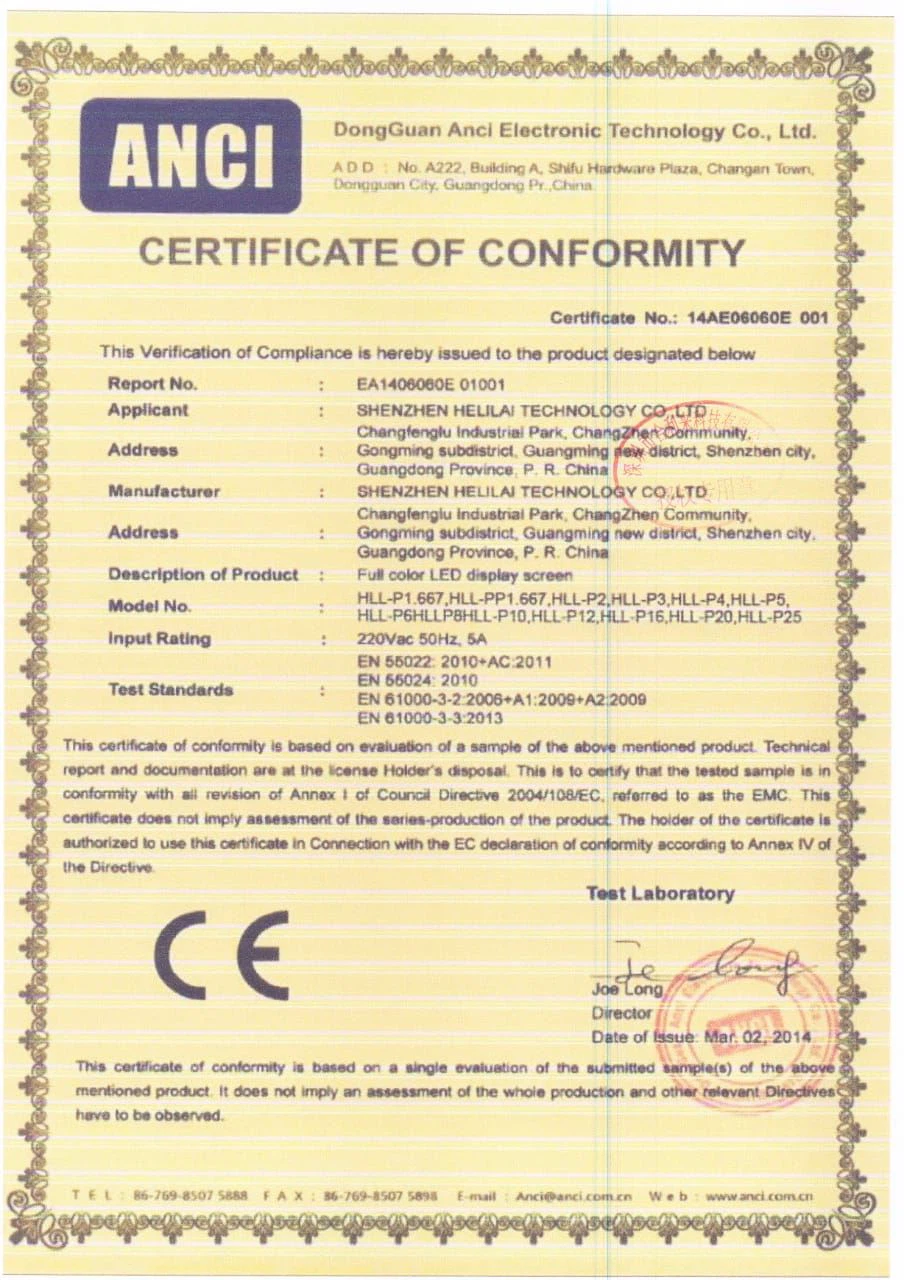
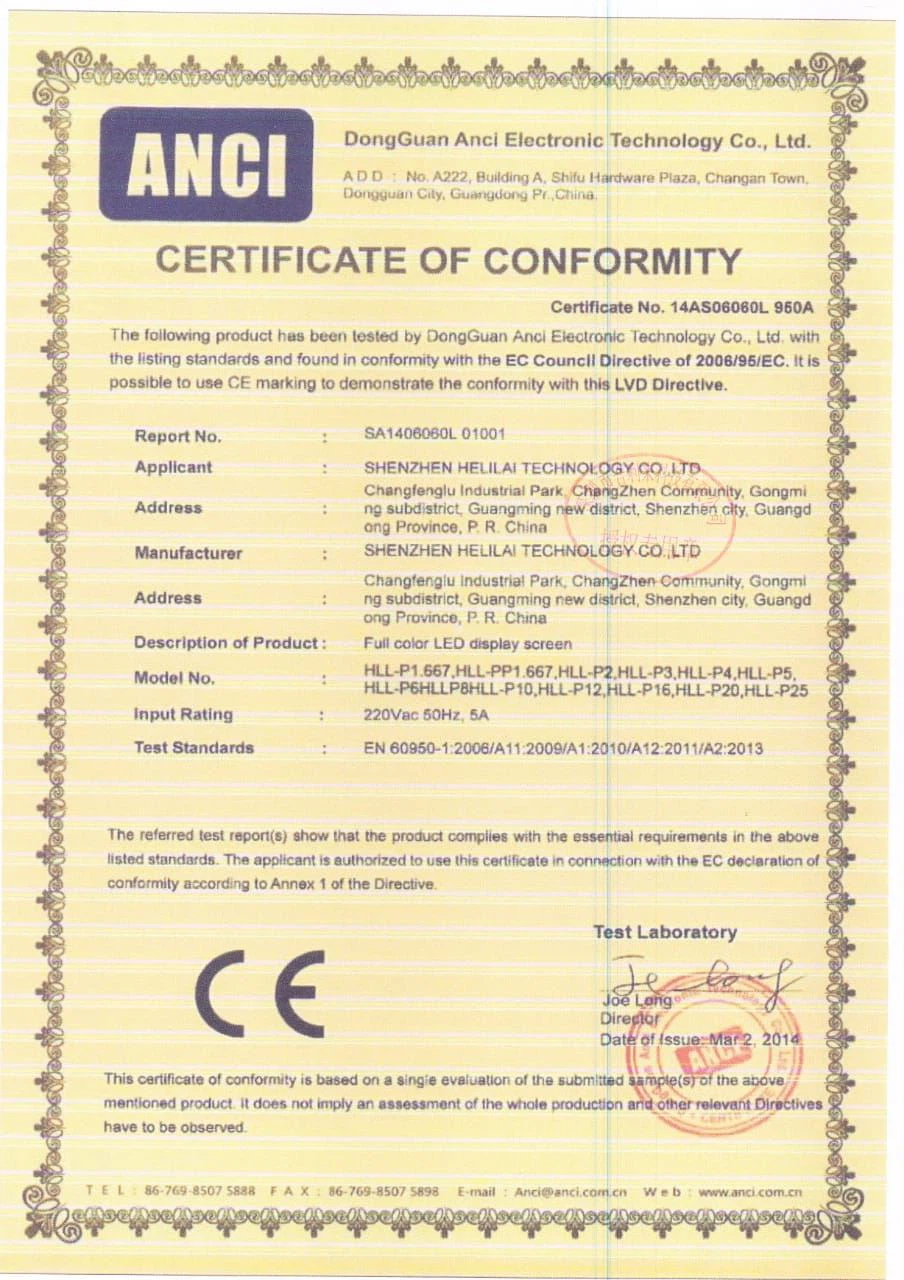
Certifications


Frequently Asked Questions
We're well-known as one of the leading special polishing media manufacturers and suppliers in China. Please feel free to wholesale high quality special polishing media at low price from our factory. Contact us for more cheap products.
Polishing Media For Grinding Use, finishing media, Polishing Media